10/11/26
Building Resilient Businesses in the Changing Climate: Hospitality and Brewing Industry Leaders Collaborate to Protect Margins, Supplies, and Staff
Extreme weather is hitting margins and operations for hospitality and brewing businesses, as this summer’s heat added £680 a month per site in energy costs, raised ingredient prices, and lowered staff morale.
Energy-saving campaigns engaging operations teams delivers savings of up to £3,000 per site and average returns of around 3:1.
To build resilience across hospitality, the Zero Carbon Forum is writing the Sector Transition Plan under the Net Zero Council, shaped by its members.
London, 4 November 2026: Food, drink and leisure businesses that build resilience to extreme weather will protect their margins, supplies, and staff, and the sector is already showing how, according to the Zero Carbon Forum.
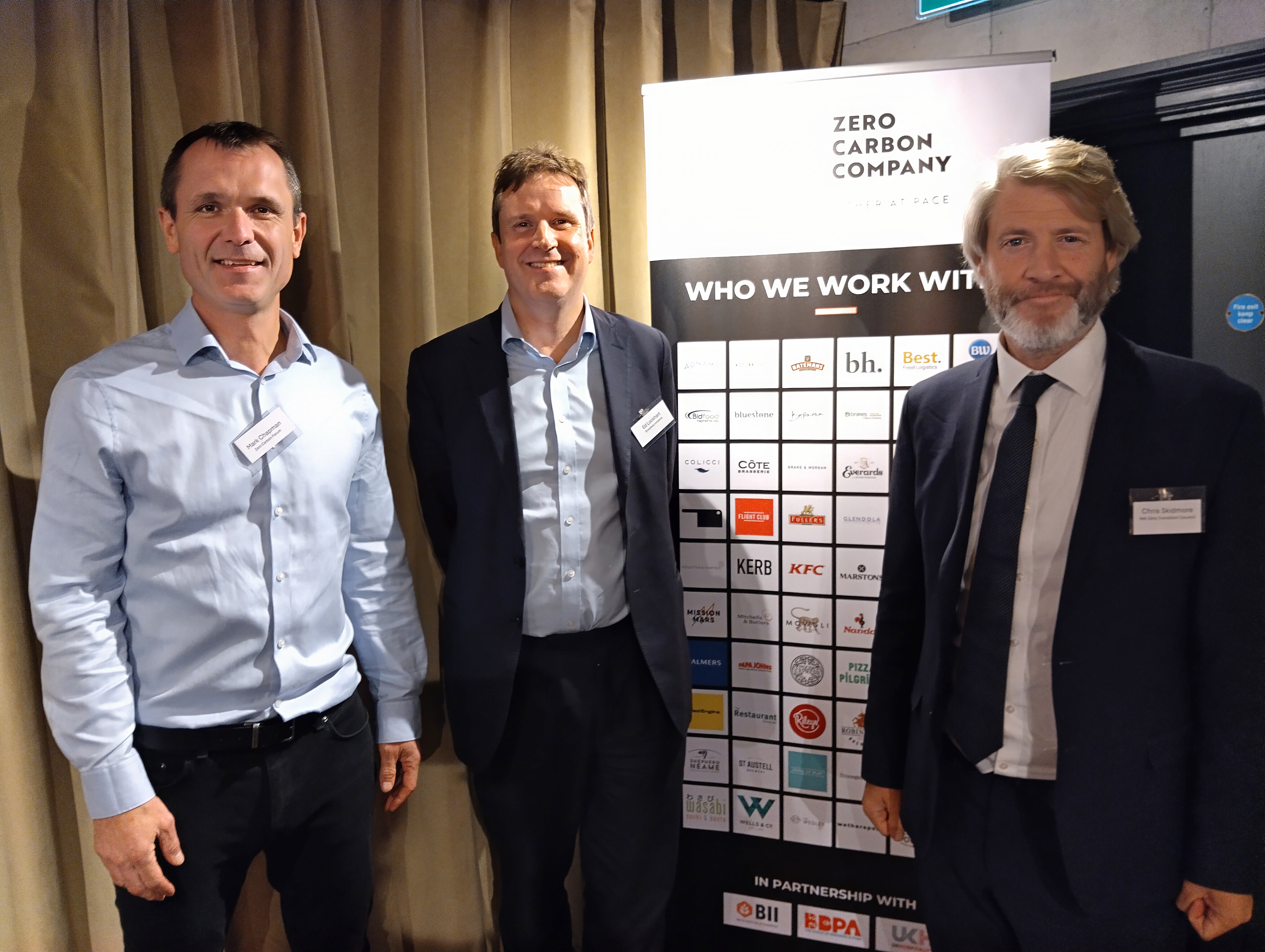
Recently, the Forum, who work with food, drink and leisure businesses, brought together nearly 30 industry leaders, suppliers, trade bodies, and government representatives to agree how the sector protects profitability and builds resilience. The CEO roundtable was hosted by Mark Chapman, CEO and Founder of the Zero Carbon Forum, and Simon Emeny, Executive Chairman of Fuller, Smith & Turner.
This summer’s heat raised energy use by 19% (Zero Carbon Company energy data, 2026) costing sites on average an additional £680 per month.
Heat and drought impacted supply chains with reduced supply and increased prices of core ingredients such as tomatoes up by more than 60%, and potatoes by more than 40% (The Guardian, 1 August 2026).
Operators reported kitchen temperatures hit 50 °C, affecting staff morale and forcing some to close, while customers changed eating habits due to the heat.
Mark Chapman said: “Climate change is already costing hospitality businesses, and we know what needs to happen. Our Climate Action Plans show each operator what to do and when, so they can cut costs, build resilience and strengthen their brand. The bigger challenges need the whole sector working together, with the supply chain and government. That’s why we brought them together at the CEO Roundtable: to agree a shared way forward that keeps hospitality thriving for generations to come.”
Resilience starts on site
Simon Emeny said: “Our last five years were led by investment, and that’s delivered real reductions across our estate. The next five will be about how we operate. Small changes in how our teams run each site, every day, add up quickly. The best initiatives reduce carbon, improve the working environment, and make commercial sense.”
Many food, drink and leisure businesses have seen substantial benefits from operational changes. Zero Carbon Company’s carbon coaching, energy analytics, site training, and behaviour change campaigns achieve average returns of around 3:1, with energy savings of up to £3,000 per site.
Suppliers are adapting too. Sysco GB is broadening its supplier base as El Niño threatens key commodities into 2027. It’s asking operators to build flexibility into menus and share buying forecasts, so supply chains can respond faster.
Collaboration accelerates individual progress
Collaboration is already paying off. The Forum has been engaged to write hospitality’s Sector Transition Plan under the Net Zero Council. The plan is business-led, with government engaged throughout. It will set out the actions, investment, and policy support operators need, from cheaper electricity and faster grid connections to rewards for investment.
The Forum will be working with its members to define their own risks and opportunities and welcomes any operators who want to engage with them in shaping the sector transition plan.
10/11/26
Building Resilient Businesses in the Changing Climate: Hospitality and Brewing Industry Leaders Collaborate to Protect Margins, Supplies, and Staff
Extreme weather is hitting margins and operations for hospitality and brewing businesses, as this summer’s heat added £680 a month per site in energy costs, raised ingredient prices, and lowered staff morale.
Energy-saving campaigns engaging operations teams delivers savings of up to £3,000 per site and average returns of around 3:1.
To build resilience across hospitality, the Zero Carbon Forum is writing the Sector Transition Plan under the Net Zero Council, shaped by its members.
London, 4 November 2026: Food, drink and leisure businesses that build resilience to extreme weather will protect their margins, supplies, and staff, and the sector is already showing how, according to the Zero Carbon Forum.
Recently, the Forum, who work with food, drink and leisure businesses, brought together nearly 30 industry leaders, suppliers, trade bodies, and government representatives to agree how the sector protects profitability and builds resilience. The CEO roundtable was hosted by Mark Chapman, CEO and Founder of the Zero Carbon Forum, and Simon Emeny, Executive Chairman of Fuller, Smith & Turner.
This summer’s heat raised energy use by 19% (Zero Carbon Company energy data, 2026) costing sites on average an additional £680 per month.
Heat and drought impacted supply chains with reduced supply and increased prices of core ingredients such as tomatoes up by more than 60%, and potatoes by more than 40% (The Guardian, 1 August 2026).
Operators reported kitchen temperatures hit 50 °C, affecting staff morale and forcing some to close, while customers changed eating habits due to the heat.
Mark Chapman said: “Climate change is already costing hospitality businesses, and we know what needs to happen. Our Climate Action Plans show each operator what to do and when, so they can cut costs, build resilience and strengthen their brand. The bigger challenges need the whole sector working together, with the supply chain and government. That’s why we brought them together at the CEO Roundtable: to agree a shared way forward that keeps hospitality thriving for generations to come.”
Resilience starts on site
Simon Emeny said: “Our last five years were led by investment, and that’s delivered real reductions across our estate. The next five will be about how we operate. Small changes in how our teams run each site, every day, add up quickly. The best initiatives reduce carbon, improve the working environment, and make commercial sense.”
Many food, drink and leisure businesses have seen substantial benefits from operational changes. Zero Carbon Company’s carbon coaching, energy analytics, site training, and behaviour change campaigns achieve average returns of around 3:1, with energy savings of up to £3,000 per site.
Suppliers are adapting too. Sysco GB is broadening its supplier base as El Niño threatens key commodities into 2027. It’s asking operators to build flexibility into menus and share buying forecasts, so supply chains can respond faster.
Collaboration accelerates individual progress
Collaboration is already paying off. The Forum has been engaged to write hospitality’s Sector Transition Plan under the Net Zero Council. The plan is business-led, with government engaged throughout. It will set out the actions, investment, and policy support operators need, from cheaper electricity and faster grid connections to rewards for investment.
The Forum will be working with its members to define their own risks and opportunities and welcomes any operators who want to engage with them in shaping the sector transition plan.